
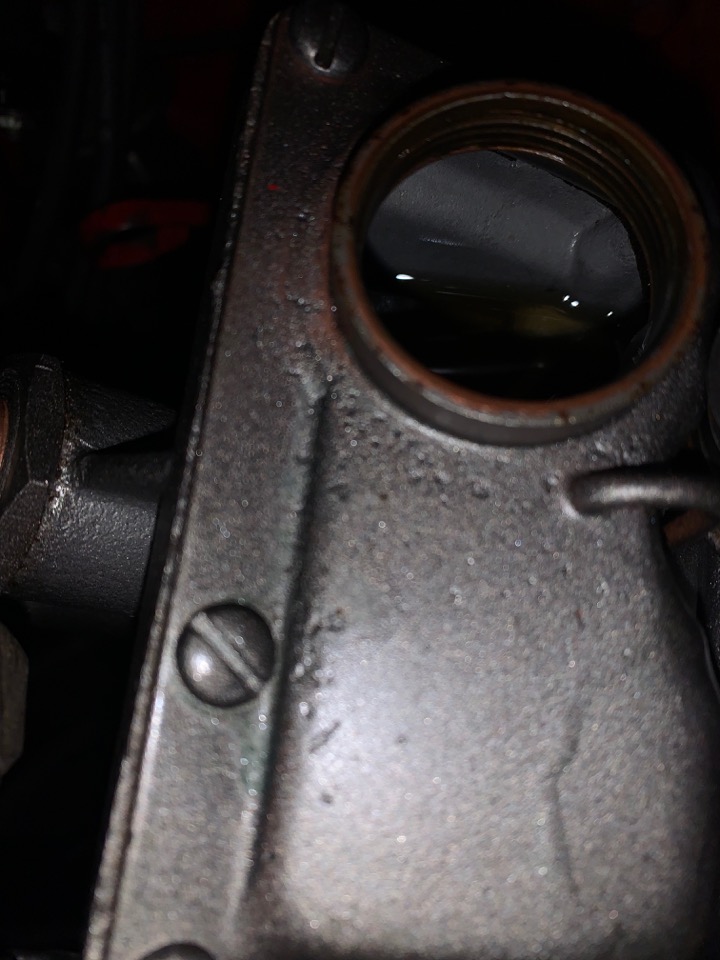
Another question from a new Hudson owner. My car was delivered from Michigan this week and it was incredibly cared for by the gent I purchased it from. Considering my 1954 Hudson is stock and original with 36,000 original miles on it, the brakes need attention. I took it for a drive today and find the power brakes are less than optimal. The brake pedal needs to be completely pushed to the floor and the response to braking would best be described as squishy brakes. I don’t know when the last time the brakes where bled or the brake fluid changed.The brake drums and shoes are fine, but looking at what looks like the power brake master cylinder, the fluid is very low. Here is a photo……. I am only an amateur weekend mechanic and know my limitations, but I would appreciate your thoughts on this brake system and where I can find brake replacement parts for this car.
Many thanks!
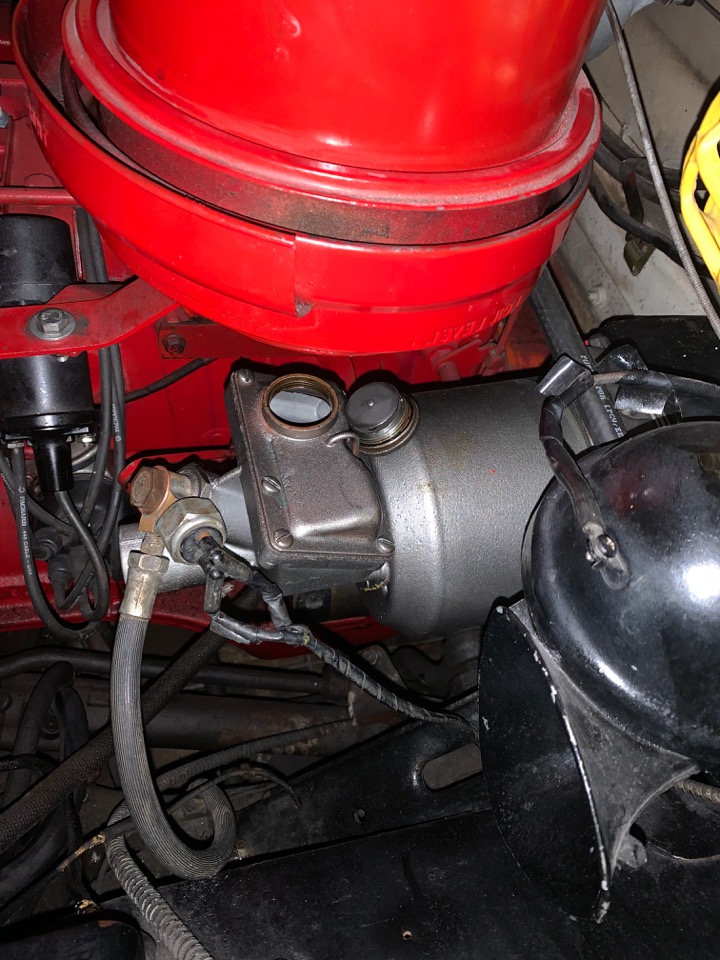

I would change the flex lines on the front and the one on the rear. These get old and start collapsing when fluid pressure is pushing thru. Check each wheel cylinder to make sure they are not affected by internal corrosion from line moisture.
I was fortunate to speak with the former owner and he used DOT 3. I filled the reservoir (it was [u]very[/u] low) with the brake fluid and took the car for a little drive. I pumped the brakes and did some heavy breaking...... and voilà, looks like I solved the problem.

You can pump the brakes, and it will temporarily firm up the pedal, but that is not something I would consider a safe solution for driving the car in traffic.How long did this car sit before you bought it? Low fluid is indication of leaky wheel cylinders, and the low soft pedal is air that got in while the fluid seeped out past the rubber cups. If it were I, I would check the wheel cylinders for leakage by pulling the drums, then pull the rubber dust boots on the ends of the wheel cylinders and look inside. If they are wet, crusty, and / or rusty, it's time to replace the wheel cylinders. The power assisted master cylinder is the infamous Treadle-Vac, not something for the average shade tree mechanic to be fooling with. They are known to suddenly have the pedal go to the floor with little to no braking action if one of the internal seals fail and allow engine vacuum to suck brake fluid out of the master cylinder bore. Apple Hydraulics does do Bendix Treadle Vac units. http://www.applehydraulics.com/brakes.htm
Thank you Kenneth,
I really appreciate your input regarding the brakes. I'll definitely take your advice and get it to a brake shop.
Howard

Howard,
Read through this post from the Open Forum, it provides information about ordering a new rubber hose from the power brake unit ti the distribution block. You really need to replace this 67 year old hose, your life depends on it!
Here's a link to a previous discussion. [url] http://forum.hetclub.org/discussion/comment/198256/#Comment_198256 [/url]
Hope this helps
John Forkner
Contact me if you have any questions email - Forkner@aol.com
Regardlesss of how good the parts may look, also replace the brake fluid.
I’ve finally found a local mechanic who will do all the brake work and other maintenance on the car, however he wants me to purchase the parts. The previous owner told me that he had the BendixTreadle-Vac overhauled and replaced only one brake cylinder.I think I'd like to replace all the brake wheel cylinders and brake shoes. Thank you John Forkner for providing a resource for the rubber brake lines at Tompkins Industries as they have a shop in Southern CA.
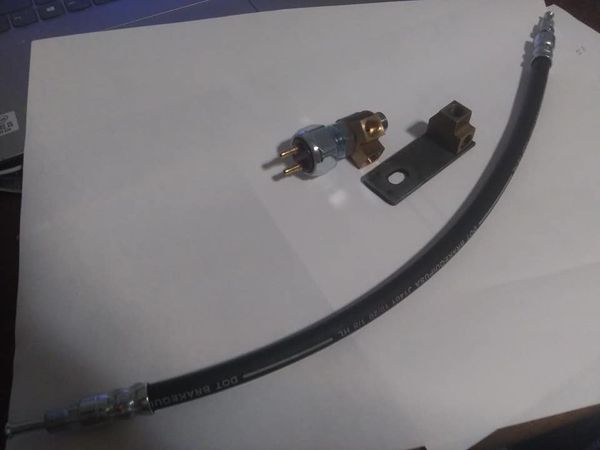
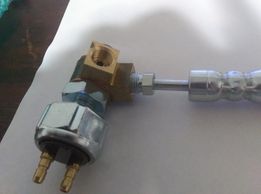
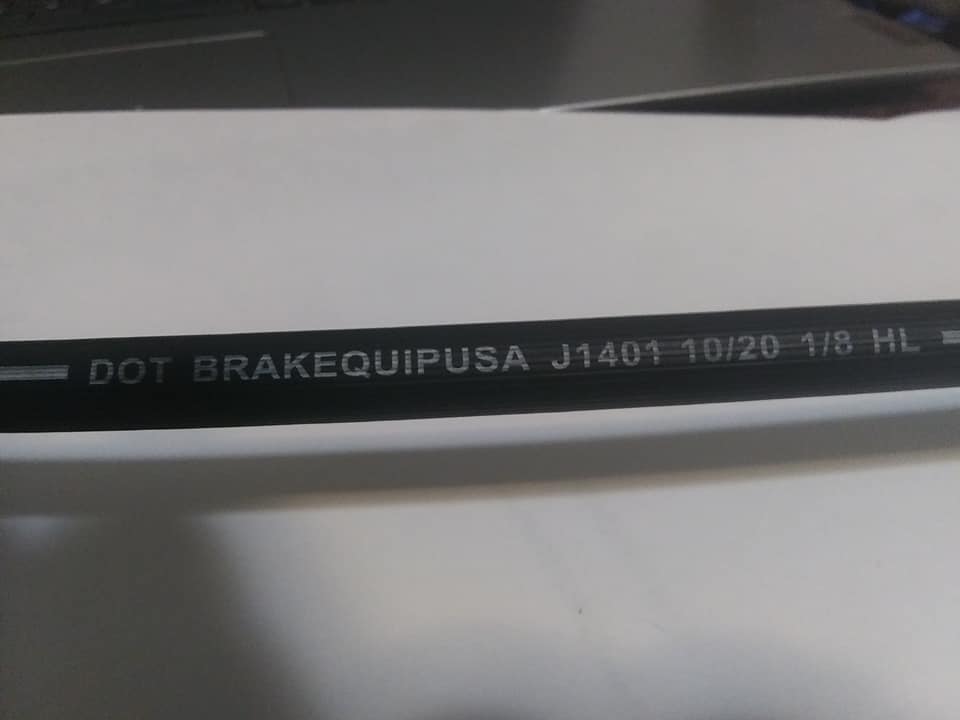
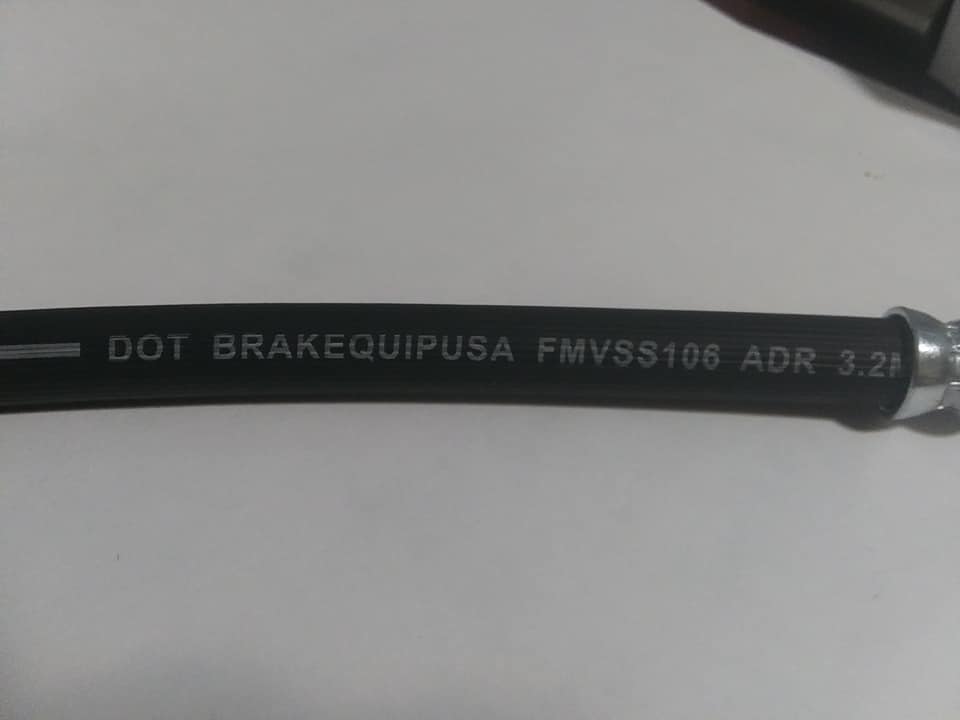
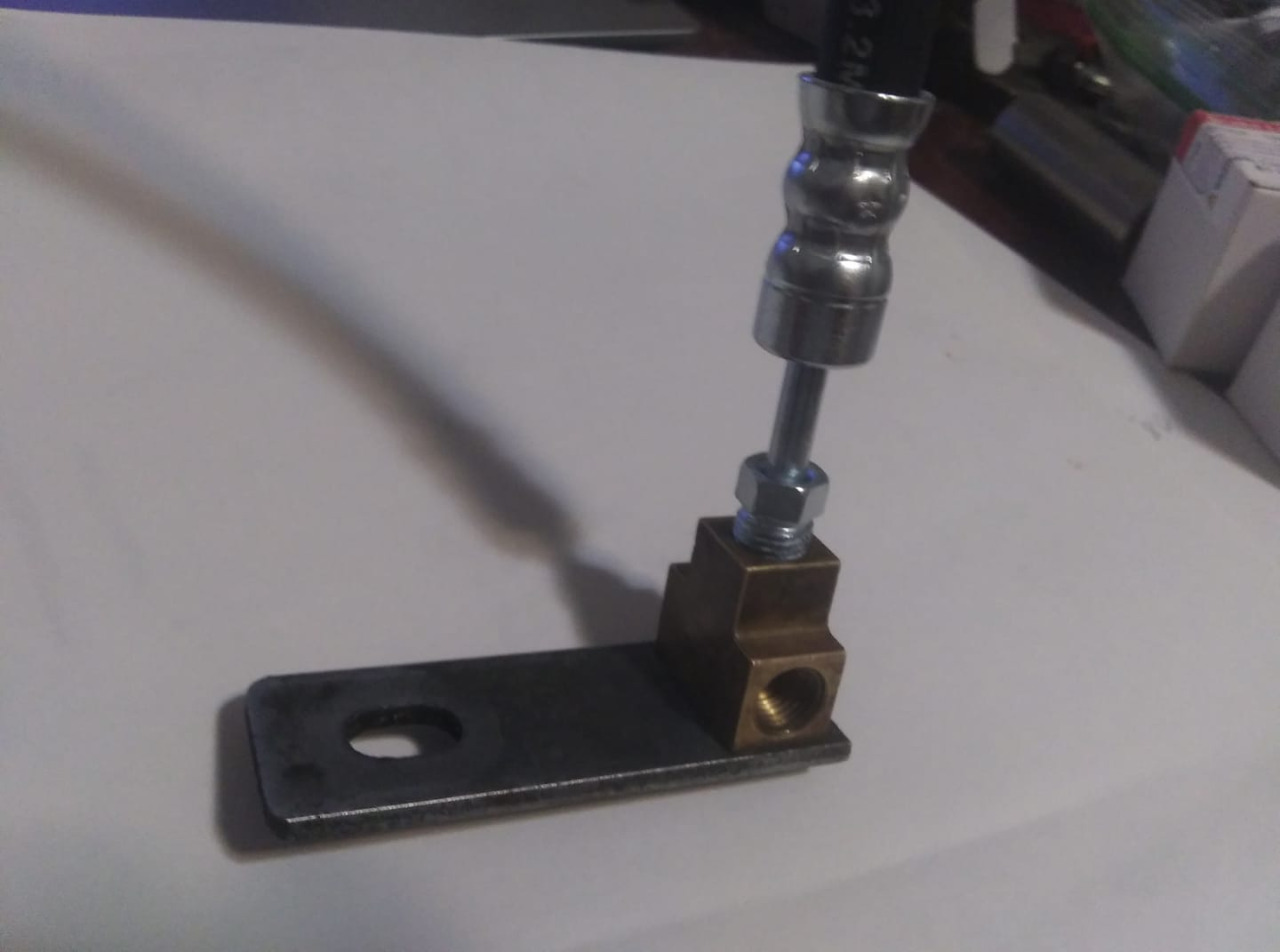
Had a new master cylinder to frame Tee hose made locally using BrakeQuip parts today. Cost is up about 30-35% from the 2014 cost that John Forkner paid. I also found a source for a new three way brass Tee with all three ports 3/8-24 female inverted flare, fastened to a metal plate that goes on top of the left front inner fender diagonal strut's rubberized fabric noise isolation pad, using a 5/16" body bolt.